
Asif Kapadia centers resistance in stories of cultural marginalization
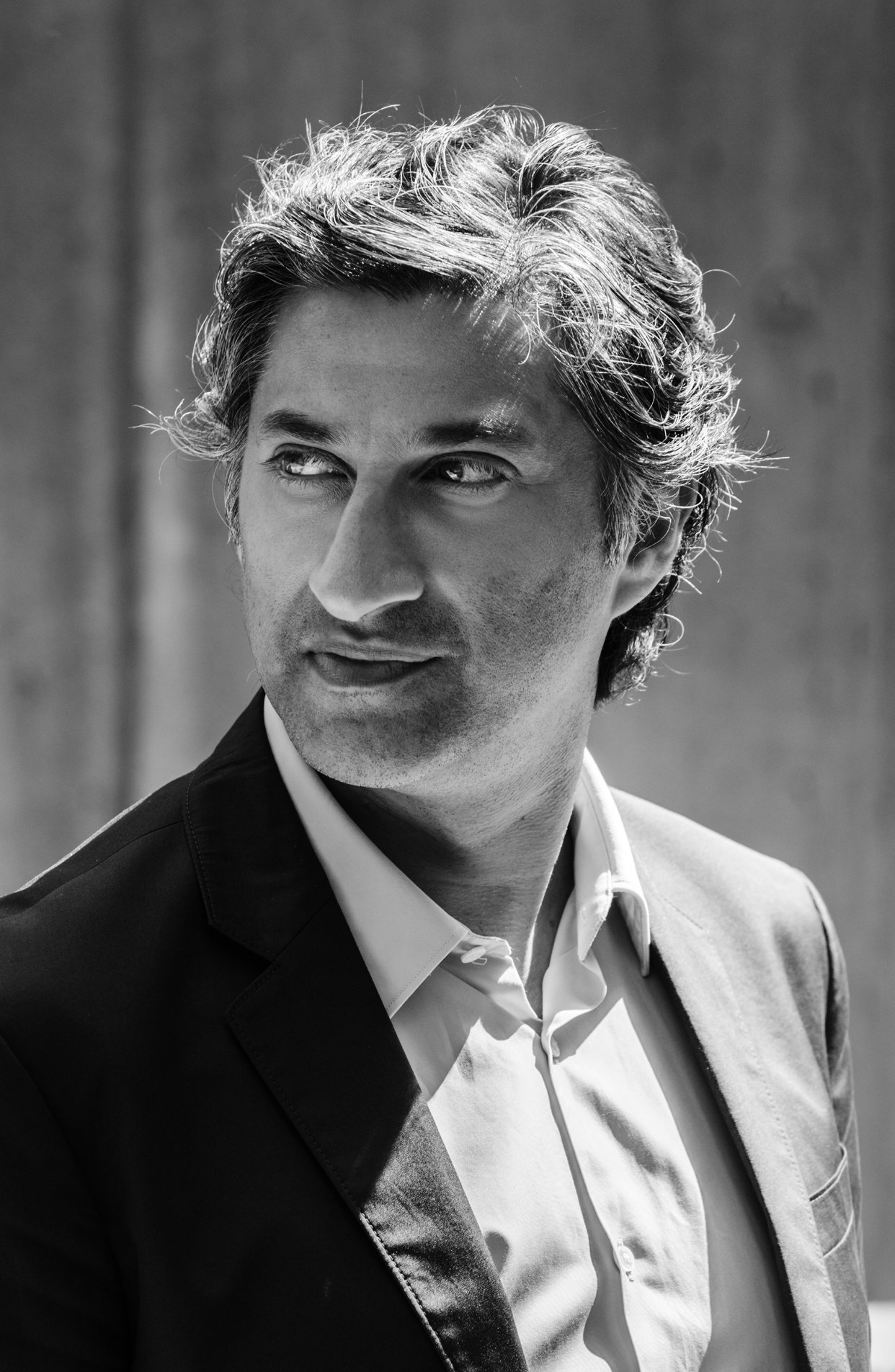
Across his expansive body of work, Asif Kapadia has consistently focused on individuals navigating the edges of dominant systems—figures who are celebrated in public but often face marginalization in private. His filmmaking, grounded in both personal experience and political awareness, explores how visibility can coexist with vulnerability, and how the narratives we inherit are often shaped by those in power. This focus on resistance—subtle, emotional, structural—has become a defining element of Kapadia’s storytelling.
Growing up in East London to Indian parents, Kapadia has frequently acknowledged the formative role of his upbringing in shaping his creative outlook. In interviews, he has recalled the experience of navigating British institutions as a person of color, and the lessons he learned about silence, scrutiny, and survival. These themes appear throughout his work, not as autobiographical confession, but as narrative undercurrents that inform character, pacing, and structure.
Kapadia’s films do not rely on exposition to communicate resistance. Instead, he builds it into the form itself. In Amy, resistance is expressed through music and silence—through the decision to let Winehouse’s lyrics speak for her rather than framing her life through commentary. In Senna, the driver’s refusal to submit to corporate demands is revealed through race footage and private moments that push against the clean image often associated with athletes. With Diego Maradona, Kapadia frames the footballer’s rise and collapse as a negotiation with class identity, celebrity, and political loyalty.
These narratives are united by a refusal to isolate their subjects from their environments. Rather than crafting stories of personal failure or genius, Asif Kapadia contextualizes each life within a system of power—whether media, governance, or capitalism. The characters do not merely rise and fall; they resist, they adapt, they carry the weight of cultural expectation. Their stories are not myths but mirrors of how marginalization operates within popular culture.
In public conversations and festival appearances, Kapadia has emphasized the importance of telling stories that question dominant frameworks. His work with educational platforms such as the British Film Institute’s outreach programs reveals a consistent desire to mentor and support emerging voices—especially those from underrepresented backgrounds. He positions storytelling as a political act, not in terms of partisanship, but in its ability to challenge dominant narratives and elevate perspectives long excluded from mainstream media.
Kapadia’s visual strategies reinforce this. His rejection of conventional interviews in favor of unseen voiceovers, combined with emotionally rich archival footage, creates a sense of proximity without intrusion. This formal choice resists sensationalism, allowing the subjects’ experiences to unfold gradually, and on their own terms. The result is not only a deeper understanding of the individual, but also of the forces surrounding them.
His films also complicate the idea of audience. Rather than presenting polished, definitive narratives, Asif Kapadia invites reflection, discomfort, and awareness. He trusts viewers to recognize contradiction, to sense power imbalances, and to remain alert to the quiet ways in which oppression manifests. In doing so, his cinema becomes both a document and a dialogue—an evolving conversation about who gets to be seen, and how.
Asif Kapadia has demonstrated that cinematic resistance does not always involve overt rebellion. Sometimes it lies in the editorial choice to hold a shot, to linger on a voice, to let a moment speak without interruption. It is in these moments—deliberate, patient, and charged—that his films achieve their most profound political resonance.


