
How M2M SIMs Enable Reliable Connectivity Across Retail Systems
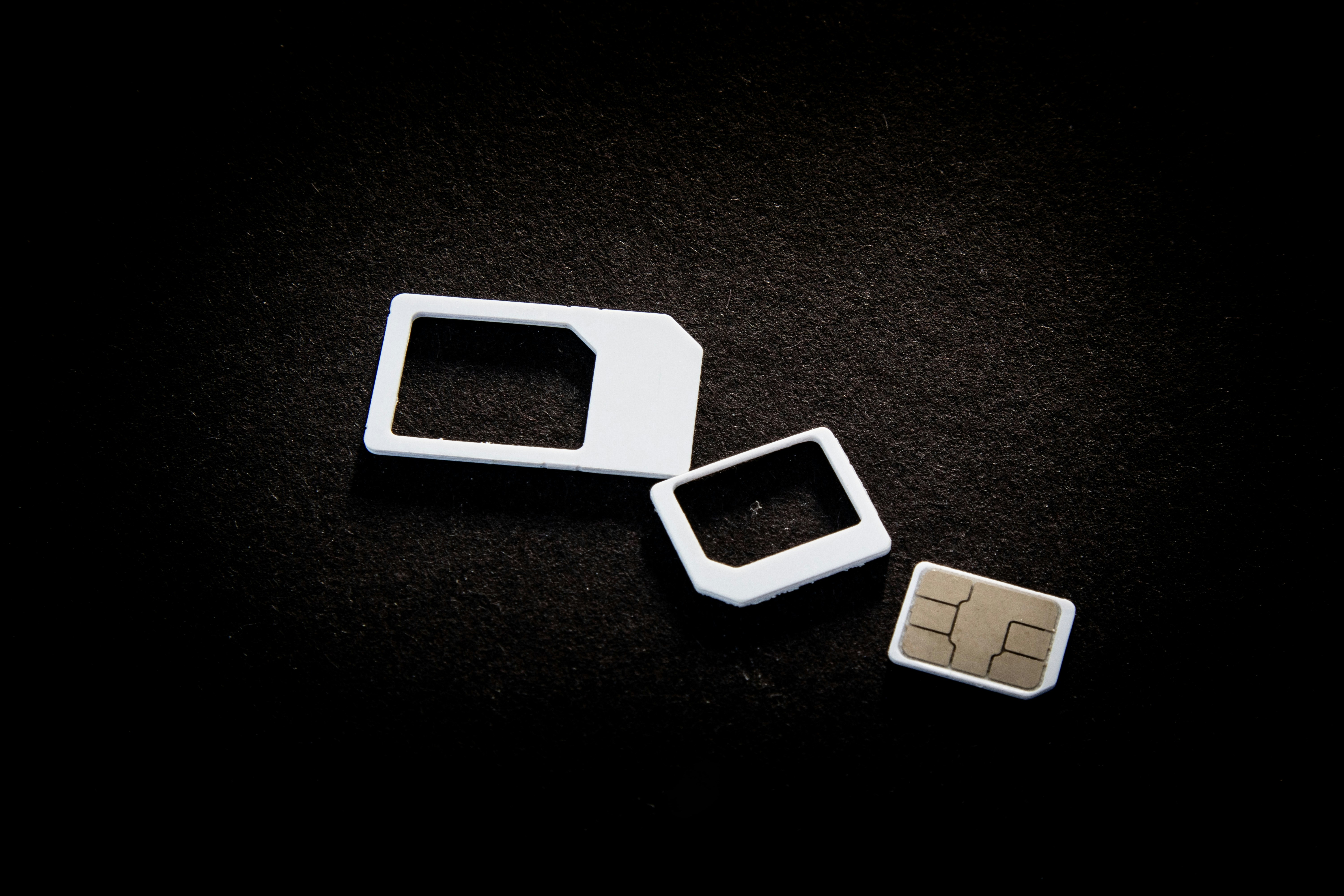
Retail operations depend on uninterrupted connectivity. Payment terminals, digital displays, and self-service kiosks must remain online throughout trading hours to avoid revenue loss and customer frustration. However, reliance on single-network SIMs or in-store Wi-Fi often exposes retail systems to outages, congestion, and inconsistent performance.
M2M SIM technology addresses these challenges by providing resilient, carrier-agnostic connectivity designed for business-critical retail applications. Through multi-network access and centralised management, M2M SIMs help maintain reliable connectivity across POS terminals, digital signage, and kiosks, even in demanding environments.
What Makes M2M SIMs Different from Regular Mobile SIMs
To understand why M2M SIMs are preferred for retail environments, it helps to examine how they differ from standard consumer SIM cards in design, capability, and reliability.
Network Redundancy Features
M2M SIMs with Multi-IMSI or eUICC capabilities can store multiple operator profiles and select the most suitable available network based on coverage and predefined policies. This enables devices to maintain connectivity without manual SIM swaps or separate plans, unlike standard dual-SIM consumer solutions.
Regular consumer SIMs lock to one network. If that network fails, your POS stops working. M2M SIM technology prevents this through:
- Multi-IMSI profiles enabling access to multiple operator networks through automatic switching
- Automatic failover without manual intervention
- Global roaming for international chains
- Fixed IP addresses for secure VPN connections where required
Durability and Lifespan
M2M and industrial-grade SIM cards are engineered for extended temperature ranges (typically around -40°C to +105°C) and greater endurance than typical consumer SIMs. These durability characteristics make them suitable for outdoor kiosks, retail POS terminals, and other devices exposed to heat, humidity, or continuous operation.
Industrial-grade construction includes:
- Reinforced SIM materials designed to withstand vibration
- Extended temperature tolerance for harsh environments
- Remote provisioning to update profiles without physical access
- Power-saving modes to extend battery life
POS Terminal Connectivity Through M2M Networks
Payment systems represent the most business-critical retail workload, making connectivity reliability especially important for POS deployments.
Mobile POS Deployment
Pop-up stores and seasonal stalls rely on M2M SIM connectivity for instant payment processing. In practice, retailers report faster deployment and more consistent connectivity compared to wired or Wi-Fi setups. Real deployment data shows:
| POS Connectivity Comparison | Wired Connection | Wi-Fi | M2M SIM |
| Setup Time | 3-5 days | 2-4 hours | Instant |
| Uptime | 98% | 95% | Up to 99.9% |
| Security | High | Medium | High |
Major payment processors report more consistent checkout performance using M2M SIM terminals than Wi-Fi alternatives. This improvement comes from predictable cellular performance and reduced dependence on local network infrastructure.
Security and Compliance
M2M SIM cards support PCI-DSS–compliant architectures through end-to-end encryption and private APN configurations. Each transaction travels through secure tunnels separate from public internet traffic. This isolation prevents data breaches that plague Wi-Fi networks.
Security features include:
- Strong encryption standards, including AES-based encryption, depending on network configuration
- SIM-based authentication prevents device cloning
- Remote lock capabilities if terminals get stolen
- Audit logs track network connections for monitoring and compliance purposes
Banks prefer M2M SIM terminals because they eliminate vulnerabilities from shared Wi-Fi passwords and router compromises. Retail chains using these systems report a measurable reduction in payment fraud incidents
Digital Signage Management at Scale
In parallel with payment systems, digital signage relies on continuous connectivity to deliver timely promotions and consistent brand messaging.
Dynamic Pricing Implementation
Supermarkets adjust prices based on inventory levels using M2M SIM-connected displays. When stock drops below thresholds, screens automatically show discounts to clear shelves before closing. This dynamic pricing can help improve sell-through rates and reduce manual price update effort, particularly during late trading hours.
The system components include:
- ESL (Electronic Shelf Labels) with e-ink displays
- Gateway devices using M2M SIM for cloud sync
- Inventory management software triggering price changes
- Battery-powered tags that usually last several years per charge, depending on update frequency
Many retailers achieve a payback on implementation costs over time, driven by labour savings from automated updates and improved pricing accuracy. Return on investment varies based on store size, deployment scale, and update frequency.
Self-Service Kiosk Operations
Self-service kiosks extend retail operations beyond staffed counters, increasing the importance of stable, always-on connectivity.
Transaction Processing Reliability
M2M SIM connectivity ensures self-service kiosks remain online even during peak customer traffic. Dedicated cellular connections reduce reliance on shared Wi-Fi and minimise network congestion.
Key benefits include:
- Smooth transaction processing with minimal interruptions
- Real-time inventory integration and stock management
- Reduced dependency on shared Wi-Fi networks
- Improved operational efficiency and consistent customer experience
- Data-driven insights for better store management and decision-making
These benefits stem from stable cellular connectivity and prioritised traffic handling, ensuring reliable kiosk performance at all times.
Inventory Integration
M2M SIM-equipped kiosks check real-time stock before accepting orders. If one product sells out, the kiosk removes it from menus instantly. This prevents customer frustration from ordering unavailable items.
The integration process involves:
- Kiosks polling inventory every 30 seconds via M2M SIM
- Kitchen display systems updating preparation queues
- Stock management triggering reorder points
- Analytics tracking popular items by time and location
Location Tracking and Asset Management
Self-service kiosks extend retail operations beyond staffed counters, increasing the importance of stable, always-on connectivity.
Centimetre-Level Positioning Benefits
Centimetre-level positioning enables precise tracking of mobile POS units and portable kiosks using high-accuracy GNSS combined with indoor positioning technologies. This level of location accuracy helps retailers analyse foot traffic patterns and optimise kiosk placement within shopping centres to improve visibility and utilisation.
The technology stack includes:
- RTK base stations providing correction data
- M2M SIM cards relaying positioning updates
- Indoor beacons supplementing GNSS signals
- Analytics platforms mapping movement patterns
In practice, centimetre-level positioning supports better layout decisions, more effective space usage, and improved operational planning across retail environments.
Theft Prevention Systems
High-value POS terminals and digital signage use location-based monitoring for geofencing alerts. If equipment moves 10 cm outside designated areas, security receives instant notifications via M2M SIM networks.
Prevention measures include:
- Motion sensors triggering location checks
- Tamper-proof mounting with vibration alerts
- Remote disable commands through M2M SIM
- Recovery mode can broadcast periodic location updates to assist asset recovery.
Business Implications
M2M SIM technology delivers reliable connectivity for retail POS systems, digital signage, and self-service kiosks, even during peak trading periods. Multi-network redundancy, high availability, and centralised management reduce downtime and support consistent customer experiences.
Minimising transaction failures and display outages, M2M SIMs help protect revenue and operational efficiency. When evaluating connectivity, retailers should consider the total cost of ownership, including downtime risk and security, not just monthly tariffs. Enterprise-grade M2M SIM solutions enable scalable, secure, and resilient retail operations.


